

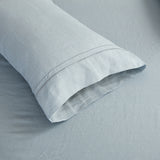


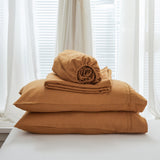



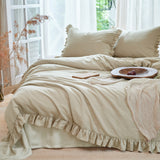
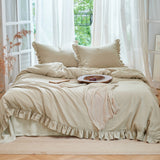
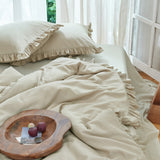
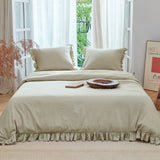




Shopping for new bedding sets or linen sleepwear always leads to one common question for most homeowners and sleep enthusiasts: is 100% linen better than linen blend fabric for year-round use, summer cooling, and long-term daily sleeping?
At first glance, pure linen and linen blend sheets, duvet covers, and pajamas look nearly identical with a natural textured, minimalist aesthetic. But the real-life sleeping experience, initial softness, wrinkle resistance, maintenance routine, and budget cost are vastly different.
Some shoppers prioritize maximum cooling and breathability for hot sleeper nights, while others want instant softness, low maintenance, and affordable pricing without complicated upkeep.
In this guide, we break down the real differences between pure linen and linen blend bedding from a practical user perspective, not just technical fabric jargon. You’ll get a clear, straightforward verdict to pick the perfect fabric that matches your sleep habits, lifestyle, and budget.
🧵 What Is 100% Linen vs Linen Blend Fabric?
Before comparing performance and comfort, it’s essential to understand the basic fabric composition of pure linen and linen blend materials — the root cause of all functional and feel differences.
🌿 What Is 100% Pure Linen?
100% pure linen is a premium natural woven fabric made entirely from pure flax plant fibers, with no added cotton, viscose, polyester, or synthetic blended materials. It is a timeless, luxury natural bedding fabric favored for centuries for sleep and home textile use.
✅ 100% natural flax fiber composition, eco-friendly and sustainable
✅ Industry-leading breathability and natural moisture-wicking properties
✅ Authentic rustic textured feel with a high-end natural home aesthetic
✅ Gets softer and more comfortable with every wash and long-term use
🧶 What Is a Linen Blend Fabric?
A linen blend is a mixed fabric that combines partial linen fibers with other soft, cost-effective, low-maintenance materials. The most common blends on the market are 55% linen 45% cotton, linen viscose blend, and linen polyester blend, designed to balance linen’s natural advantages and other fabrics’ practical perks.
✅ Ultra-soft hand feel right out of the package, no break-in period required
✅ Significantly less wrinkling and easy daily care and washing
✅ More affordable price point, ideal for budget-friendly entry-level use
✅ Combines linen’s natural look with cotton or viscose’s smooth comfort
Simple Core Rule: 100% linen = natural cooling performance & long durability; Linen blend = instant soft comfort & everyday convenience.
100% Linen vs Linen Blend: Side-by-Side Full Feature Comparison
Use this clear comparison table to quickly check every key factor shoppers care about most, helping you instantly tell which fabric fits your top priorities
| Key Feature | 100% Pure Linen | Linen Blend (Cotton/Viscose/Polyester) |
| Breathability & Airflow | ⭐⭐⭐⭐⭐ | ⭐⭐⭐⭐ |
| Cooling Effect for Hot Sleepers | ⭐⭐⭐⭐⭐ | ⭐⭐⭐⭐ |
| Initial Softness (First Use) | ⭐⭐⭐ | ⭐⭐⭐⭐⭐ |
| Long-Term Durability | ⭐⭐⭐⭐⭐ | ⭐⭐⭐⭐ |
| Wrinkling & Creasing | ⭐⭐⭐⭐⭐ | ⭐⭐⭐ |
| Price & Budget Cost | ⭐⭐⭐ | ⭐⭐⭐⭐⭐ |
How to Choose: Pure Linen or Linen Blend Based on Your Exact Needs
No one-size-fits-all best fabric — your lifestyle, sleep type, care habits, and budget determine your perfect choice. Match your needs below for a definitive pick.
🔥 If You Are a Hot Sleeper & Need Summer Cooling → Choose 100% Pure Linen
If you often wake up sweating, sleep in warm bedrooms, or live in hot climates, 100% pure linen is the only ideal option. Pure flax fiber delivers superior airflow and powerful moisture-wicking, absorbing sweat quickly and releasing heat fast to keep your body cool all night long. Unlike blends, pure linen maintains stable cooling performance all year round, especially perfect for summer bedding use.
☁️ If You Want Instant Softness & No Break-In Period → Choose Linen Blend
If you hate stiff, textured new bedding and want a smooth, cozy feel the first night you use it, linen blend is the better choice. Added cotton or viscose fibers eliminate linen’s initial rough texture, requiring no washing or breaking in for comfortable use right away, ideal for sensitive skin and picky sleepers.
🧺 If You Want Low Maintenance & Less Wrinkling → Choose Linen Blend
Pure linen wrinkles easily after every wash and use, requiring extra ironing and careful handling. Linen blend fabric effectively reduces creasing, stays neat and tidy with minimal effort, and supports machine washing and simple daily upkeep — perfect for busy families and anyone who prioritizes convenient care.
🌿 If You Prefer Natural Eco-Friendly Materials & Authentic Texture → Choose 100% Pure Linen
For minimalist home decor lovers, natural material enthusiasts, and eco-conscious shoppers, 100% pure linen is unbeatable. It is chemical-free, sustainable, biodegradable, and features a unique natural textured look that elevates any bedroom interior style, delivering authentic luxury natural bedding vibes.
💰 If You’re Budget-Conscious & New to Linen Bedding → Choose Linen Blend
Pure linen’s premium material cost makes it a high-investment purchase. Linen blend offers similar linen-style appearance and basic comfort at a much lower price, making it the best entry-level option for first-time linen bedding buyers and guest room temporary use.
🛏️ Best Uses for 100% Linen vs Linen Blend Bedding & Apparel
🌿 100% Pure Linen Best For:
Summer core bedding sets (sheets, duvet covers, pillowcases)
Hot sleepers and people living in high-temperature areas
Minimalist, natural, and luxury home interior decoration
Long-term master bedroom daily permanent use
🧶 Linen Blend Best For:
Linen pajamas and loungewear for all-day comfort
Everyday regular bedding for all-season family use
Guest room bedding for temporary and occasional use
Home textiles requiring neat appearance and low maintenance
⚠️ Common Mistakes to Avoid When Buying Linen or Linen Blend
❌ Expecting 100% linen to feel silky smooth: Pure linen has a natural textured touch and will never be as soft as cotton; it softens gradually with repeated washes.
❌ Buying linen blend for extreme cooling needs: Blends sacrifice partial breathability for softness and wrinkle resistance, so they cannot match pure linen’s cooling effect for hot sleepers.
❌ Ignoring fabric percentage labels: Always check the blend ratio (55/45 or 70/30); higher linen content means better cooling, while higher cotton/viscose means softer feel.
🛒 Final Simple Recommendation
👉 Choose 100% Pure Linen if you want:
The coolest sweat-free sleep, long-term durable bedding, authentic natural texture, and eco-friendly sustainable materials.
👉 Choose Linen Blend if you want:
Instant soft cozy touch, easy wrinkle-free care, budget-friendly pricing, and balanced everyday comfort.
✨ Final Thoughts
There is no universal “better” between linen and linen blend — only the better choice for your unique sleep needs and lifestyle. Pure linen focuses on natural performance, cooling comfort, and long-term value; linen blend focuses on instant softness, daily convenience, and affordable cost. The best bedding choice always fits your sleeping habits, climate, and budget perfectly.