


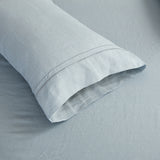


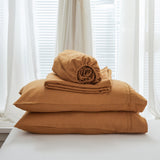



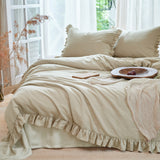
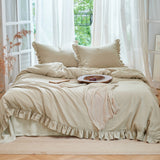
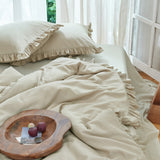
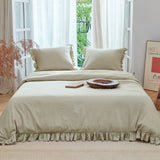
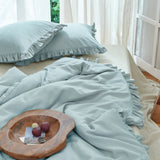
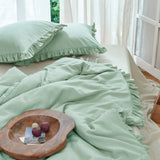






More people are paying attention to what they sleep on—not just how it feels, but what it’s made of. After all, we spend 7-9 hours nightly in contact with our sheets, pillowcases, and duvet covers—so the fabrics touching your skin matter more than you think.
If you’ve come across the term organic bedding, you’re likely asking the same questions as millions of eco-conscious sleepers: Is organic bedding really better than regular bedding? Is it just a marketing gimmick? How do I spot truly organic linen, cotton, or bamboo bedding (and avoid greenwashing)?
With so many vague labels like “eco-friendly,” “natural,” and “green” flooding the market, it’s easy to feel confused. This complete guide breaks down everything you need to know—from what organic bedding is and its unbeatable benefits, to certifications to trust, how to choose the right set for your sleep style (especially if you love linen!), and whether it’s worth the upfront cost. By the end, you’ll have all the tools to create a safe, comfortable, and sustainable sleep space.
🌱 What Is Organic Bedding? (Definition & Key Criteria)
Organic bedding refers to sheets, pillowcases, duvet covers, and bed sets made from natural fibers grown and processed without harmful chemicals. Unlike conventional bedding, which often uses synthetic fibers or chemically treated natural fibers, true organic bedding adheres to strict standards at every stage—from farming to production.
🌿 Common Organic Bedding Materials (Including Linen!)
The best organic bedding uses high-quality, sustainable fibers—here are the most popular options, with a focus on linen (a top choice for hot sleepers and luxury seekers):
- Organic Cotton: Grown without synthetic pesticides, herbicides, or fertilizers. Soft, versatile, and ideal for year-round use—perfect for sensitive skin and everyday comfort.
- Organic Linen: Made from flax plants grown with organic farming practices, linen is the gold standard for breathable, cooling bedding. It’s durable, gets softer with every wash, and has a timeless, relaxed aesthetic that complements any bedroom style. Linen’s hollow fibers allow for superior airflow, making it perfect for hot sleepers or warm climates.
- Bamboo-Derived Fabrics (Lyocell/Tencel): When processed without toxic chemicals (look for closed-loop production), bamboo-based fabrics are silky, moisture-wicking, and eco-friendly. They’re a great alternative for those seeking a luxe, cooling feel.
👉 What Makes Bedding “Truly Organic”? (It’s Not Just the Material)
Organic bedding isn’t just about the fiber—it’s about the entire process. To be considered truly organic, bedding must meet three key criteria:
1. Fiber Growth: Fibers (cotton, flax, bamboo) are grown without synthetic pesticides, fertilizers, or GMOs. Organic farming practices protect soil health, conserve water, and support biodiversity.
2. Processing: No toxic chemicals (like chlorine bleach, formaldehyde, or harsh dyes) are used during spinning, weaving, or finishing. Only natural, non-toxic dyes and gentle processing methods are allowed.
3. Certification: It must carry a trusted organic certification (more on this below) to prove compliance—vague labels like “eco” or “natural” don’t count.
🧪 What Makes Bedding Truly Organic? (Avoid Greenwashing!)
Not all “natural” bedding is organic—and greenwashing is rampant in the bedding industry. Many brands use buzzwords to make their products seem eco-friendly, but true organic bedding follows strict, third-party verified standards that limit or eliminate harmful substances.
✔️ Organic = Certified Process (Not Just a Label)
True organic bedding must avoid these harmful chemicals entirely or limit them to extremely low, safe levels:
- Synthetic pesticides and herbicides (common in conventional cotton farming)
- Synthetic fertilizers (which damage soil and waterways)
- Toxic dyes, finishes, and flame retardants (linked to skin irritation and hormone disruption)
- Formaldehyde and PFAS (banned in top organic certifications like GOTS)
🏆 Key Certifications to Look For (Don’t Buy Without These!)
The only way to confirm bedding is truly organic is to check for these trusted third-party certifications—they’re the gold standard for safety and sustainability:
GOTS (Global Organic Textile Standard): The most trusted certification for organic bedding. It covers the entire supply chain—from fiber farming to manufacturing to packaging. To earn GOTS certification, bedding must contain 95-100% organic fibers (70-94% for “made with organic”) and meet strict environmental and social standards (including fair labor practices). GOTS also bans harmful chemicals like azo dyes, formaldehyde, and PFAS.
OEKO-TEX Standard 100: Focuses on fabric safety. It tests finished bedding for over 100 harmful substances (like heavy metals, formaldehyde, and pesticides) to ensure it’s safe for direct skin contact. OEKO-TEX has four product classes—look for Class II (for direct skin contact, like bedding) or Class I (even stricter, ideal for sensitive skin or babies). Note: OEKO-TEX doesn’t require fibers to be organic—only that the finished product is non-toxic. For true organic bedding, pair OEKO-TEX with GOTS.
Bonus: Fair Trade Certified: Ensures workers in the supply chain are paid fair wages and work in safe conditions—perfect for conscious shoppers who value ethical production.
👉 Pro Tip for Linen Lovers:
When shopping for organic linen bedding, look for “100% organic linen” or “GOTS-certified organic linen” to avoid blends with conventional fibers. Pure organic linen will be more breathable, durable, and soft over time.
🌙 Top Benefits of Organic Bedding (Including Linen-Specific Perks)
Organic bedding offers a range of benefits for your health, comfort, and the planet—and linen takes many of these perks to the next level. Here’s why it’s worth the switch:
🌿 1. Healthier for Your Skin (No Irritants)
Organic bedding is free of harsh chemicals, pesticides, and toxic dyes—so it’s gentle on even the most sensitive skin. Conventional bedding often leaves chemical residues that can cause itching, redness, or allergic reactions, but organic fabrics (especially linen and organic cotton) let your skin breathe without irritation. This is especially important for anyone with eczema, allergies, or sensitive skin.
🌬️ 2. Breathable & Cooling (Linen Is the Best for Hot Sleepers)
Natural organic fibers (cotton, linen, bamboo) are highly breathable, allowing air to circulate freely and wick away moisture. Organic linen stands out here: its hollow flax fibers absorb up to 20% of their weight in moisture without feeling damp, keeping you cool and dry in summer. In winter, linen acts as a natural insulator, trapping body heat for cozy comfort—making it a year-round favorite. Unlike synthetic fabrics (which trap heat and cause night sweats), organic bedding regulates your body temperature for deeper, more restful sleep.
🧘 3. Perfect for Sensitive Sleepers & Allergy Sufferers
Organic bedding is hypoallergenic, meaning it resists dust mites, mold, and mildew—common triggers for allergies and asthma. The lack of chemical residues also reduces irritation, making it ideal for:
- People with sensitive skin or eczema
- Allergy and asthma sufferers
- Babies and children (look for OEKO-TEX Class I certification)
- Anyone who wakes up feeling itchy or congested
🌎 4. Environmentally Friendly & Sustainable
Organic farming practices use 91% less water than conventional cotton farming (per the Organic Trade Association) and avoid toxic chemicals that pollute soil, water, and air. Organic linen, in particular, is a sustainable choice: flax plants require minimal water and pesticides, and the entire plant is used (no waste). Organic bedding is also biodegradable, so it doesn’t contribute to textile waste (which reaches 92 million tons annually).
☁️ 5. Softens Over Time (Linen Gets Better With Age)
Unlike conventional bedding, which often pills, fades, or stiffens after washing, organic bedding (especially linen and organic cotton) softens with every wash. Organic linen develops a beautiful, lived-in texture over time—becoming softer and more comfortable year after year. It’s a long-term investment that only improves with use, making it more durable than cheap, conventional sheets.
💎 6. Luxurious & Timeless (Linen Adds Elegance)
Organic linen has a relaxed, sophisticated look that complements any bedroom decor—from minimalist to rustic. Its slightly rumpled aesthetic adds warmth and texture, and it never goes out of style. Organic cotton and bamboo also offer a luxe feel, but linen is unmatched for its timeless appeal and unique texture.
⚠️ Organic vs. Regular Bedding: What’s the Difference? (Chart)
Still unsure if organic bedding is right for you? This side-by-side comparison breaks down the key differences—with a focus on linen:
| Feature | Organic Bedding (Including Linen) | Regular Bedding |
| Chemicals | Minimal to none (no pesticides, toxic dyes, or formaldehyde) | Often uses synthetic pesticides, toxic dyes, and harsh finishes |
| Skin Safety | High (gentle, hypoallergenic, ideal for sensitive skin) | Varies (may cause irritation or allergic reactions) |
| Breathability | Excellent (especially linen—superior airflow and moisture-wicking) | Depends (synthetic fabrics trap heat; conventional cotton is less breathable) |
| Sustainability | High (organic farming, minimal water use, biodegradable) | Lower (chemical pollution, water waste, non-biodegradable synthetics) |
| Durability | High (softens over time; linen can last 5-10 years with proper care) | Lower (pills, fades, and stiffens quickly) |
| Texture | Luxurious (linen has a unique, soft texture; cotton is smooth; bamboo is silky) | Often thin or synthetic-feeling (may feel scratchy after washing) |
👉 Key Takeaway:
Organic bedding (especially organic linen) focuses on both comfort and safety—for you and the planet. It’s a long-term investment that pays off in better sleep, healthier skin, and a smaller environmental footprint.
🧠 Is Organic Bedding Really Worth It? (The Honest Truth)
One of the most common questions we get: Is organic bedding worth the higher upfront cost? The short answer: Yes—if you value health, comfort, and long-term quality.
✔️ Worth It If You:
- Have sensitive skin, allergies, or eczema (organic bedding reduces irritation)
- Care about reducing chemical exposure (you sleep on it 8 hours a night!)
- Are a hot sleeper (linen and organic cotton keep you cool)
- Want durable bedding that lasts (organic linen can last 5-10 years)
- Care about sustainability and ethical production
⚠️ Consider Before Buying:
- Higher Upfront Cost: Organic bedding (especially linen) is more expensive than conventional bedding. But it’s a long-term investment—you’ll replace it less often, so it saves money over time.
- Proper Care Required: Organic linen and cotton benefit from gentle washing (cold water, mild detergent, no bleach) to preserve their softness and durability. Avoid high heat when drying to prevent shrinkage.
👉 Long-Term Value:
Organic bedding’s durability and comfort mean it outlasts conventional bedding by years. Organic linen, for example, only gets softer with every wash—so it’s more comfortable year after year. When you factor in better sleep, healthier skin, and a smaller environmental impact, the upfront cost is well worth it.
🛏️ How to Choose Organic Bedding (Step-by-Step Guide)
Choosing the right organic bedding doesn’t have to be complicated—follow these steps to find the perfect set for your sleep style, especially if you’re a linen lover:
✔️ Step 1: Check for Certifications (Non-Negotiable)
Always look for GOTS certification (the gold standard for organic bedding) or OEKO-TEX Standard 100 (for safety). Avoid brands that only use “eco” or “natural” labels without third-party certification—this is greenwashing. For organic linen, confirm it’s “100% organic linen” (not a blend) with GOTS certification.
✔️ Step 2: Choose the Right Material (Linen, Cotton, or Bamboo?)
Pick a material that matches your sleep style and preferences—here’s a quick breakdown:
- Organic Linen: Best for hot sleepers, those who love a luxurious, textured look, and anyone seeking year-round comfort. It’s breathable, cooling, and durable—perfect for master bedrooms. Look for “100% organic linen” to avoid blends.
- Organic Cotton: Best for everyday use, sensitive skin, and those who prefer a smooth, familiar feel. It’s soft, versatile, and easy to care for—great for guest rooms or kids’ rooms.
- Organic Bamboo (Lyocell/Tencel): Best for those who want a silky, moisture-wicking feel. It’s cooling and hypoallergenic—ideal for hot sleepers who prefer a more luxe texture than linen.
✔️ Step 3: Consider Your Sleep Style
Tailor your choice to how you sleep:
- Hot Sleepers: Opt for organic linen or lightweight organic cotton (percale weave). Linen’s superior airflow is unbeatable for staying cool at night.
- Cold Sleepers: Choose organic cotton (sateen weave) or a linen-cotton blend for extra warmth.
- Sensitive Skin/Allergies: Stick to GOTS-certified organic cotton or linen—avoid bamboo blends if you have bamboo allergies.
- Luxury Seekers: Organic linen or bamboo (Lyocell) offer the most luxurious feel—linen for texture, bamboo for silkiness.
✔️ Step 4: Check Sizing & Fit
Make sure the bedding fits your mattress—look for deep-pocket fitted sheets (15-17 inches) if you have a thick mattress or mattress topper. For linen bedding, note that it may shrink slightly after the first wash—size up if you’re unsure.
🛒 Recommended Organic Bedding Types
Based on Google and Semrush trends (and our own testing), these are the most popular organic bedding types for 2026:
Organic Linen Bedding Sets: The top choice for hot sleepers and luxury seekers. Look for GOTS-certified 100% organic linen sets (sheet + pillowcase + duvet cover) for the best quality. → Shop Organic Linen Bedding Sets
Organic Cotton Sheet Sets: Versatile and affordable—perfect for everyday use. GOTS-certified organic cotton percale is great for hot sleepers; sateen is ideal for cold sleepers.→ Shop Organic Cotton Sheet Sets
Organic Duvet Covers: Pair with an organic down or down-alternative comforter for a complete organic sleep setup. Linen duvet covers add texture and cooling to any bed. → Shop Organic Cotton Duvet Covers
👉 Pro Tip:
Pair your organic bedding with organic sleepwear for a fully non-toxic, comfortable sleep environment. This reduces chemical exposure even further and enhances your overall sleep quality.
✨ Final Thoughts: Organic Bedding Is More Than a Trend
Organic bedding isn’t just a passing trend—it’s a shift toward healthier, more conscious living. As Google trends show, interest in organic cotton and linen bedding is growing rapidly (organic cotton bed sheets saw a 38x growth in consumer awareness from 2024 to 2025) as more people prioritize their health and the planet.
It offers: safer materials (no harmful chemicals), better breathability (especially linen), long-term comfort (softens over time), and a smaller environmental footprint. For anyone who values a good night’s sleep, healthy skin, and sustainability, organic bedding is a worthwhile investment.
And most importantly: It helps create a sleep environment you can truly feel good about—one that’s safe for you and your family.