






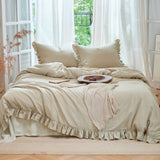
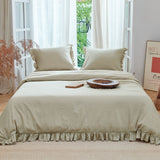





If you’ve shopped for sustainable fashion or premium bedding recently, you’ve almost certainly seen tags boasting "Made with TENCEL™ Lyocell" or labeled simply as "Eucalyptus Fiber." From buttery-soft bed sheets and breathable activewear to silky dresses, this plant-based textile has taken the conscious consumer world by storm.
But what actually is TENCEL™ Lyocell? Is it truly natural, or is it synthetic? And does eucalyptus fabric live up to its eco-friendly hype?
Here is your ultimate deep dive into eucalyptus lyocell—how it’s made, why it feels so luxurious, and whether it deserves a spot in your wardrobe and home.
Quick Clarification: TENCEL™ vs. Lyocell vs. Eucalyptus
Before diving into the science, let’s clear up some common textile terminology:
- Lyocell is the generic name for a third-generation manmade cellulosic fiber (MMCF) made by dissolving wood pulp.
- TENCEL™ is the trademarked brand name owned by the Austrian textile innovator "Lenzing AG". Think of it like "Velcro" to hook-and-loop fasteners or "Kleenex" to facial tissues—TENCEL™ represents the gold standard of certified, sustainably produced lyocell.
- Eucalyptus Fiber is simply lyocell derived primarily from fast-growing eucalyptus trees.
💡The Cellulose Family Tree
Rayon/Viscose (1st gen) → Modal (2nd gen) → Lyocell (3rd gen). Lyocell represents the cleanest, strongest, and most closed-loop evolution of wood-based fibers.
From Tree to Thread: How Eucalyptus Lyocell Is Made
Unlike fully synthetic fibers (like polyester and nylon derived from petroleum), Lyocell starts in nature. Unlike conventional cotton, it requires no heavy pesticides or extensive farmland.
Here is how the transformation works:
[Sustainably Harvested Eucalyptus]
→ [Wood Chipping & Pulping]
→ [Dissolved in Non-Toxic NMMO Solvent]
→ [Extruded Through Spinnerets into Fiber]
→ [99.5%+ Solvent & Water Recycled in Closed Loop]
Why Everyone Loves It: Key Benefits of Eucalyptus Fiber
Why are luxury brands and bedding makers switching to eucalyptus lyocell? The fiber combines the best properties of silk, cotton, and linen:
Key Fabric Highlights:
| Handfeel | Silky-smooth, lightweight, fluid drape |
| Moisture Absorption | 50% more absorbent than cotton |
| Thermal Regulation | Naturally cooling & highly breathable |
| Skin Sensitivity | Hypoallergenic, non-irritating, anti-static |
| Durability | Strong wet or dry; resistant to pilling |
1. Superior Cooling & Breathability
Eucalyptus lyocell contains microscopic channels ("submicroscopic fibrils") that naturally absorb moisture and evaporate it away from your body quickly. If you run hot at night or suffer from night sweats, eucalyptus sheets feel noticeably cool to the touch compared to synthetic microfiber or heavy cotton.
2. Gentle on Sensitive Skin
Because the fiber surface is exceptionally smooth and round (unlike the rougher microscopic scales of wool or uneven ribbon structure of uncombed cotton), it glides friction-free across sensitive or eczema-prone skin.
3. Naturally Antibacterial & Odor-Resistant
Bacteria thrive in warm, damp environments. Because lyocell wicks away perspiration and leaves no surface moisture film, bacteria growth is drastically reduced without the need for chemical finishes.
4. Eco-Drape & Wrinkle Resistance
Lyocell fabrics hang with a flattering, liquid-like drape similar to silk, but they wrinkle significantly less than pure linen.
Sustainability Showdown: Lyocell vs. Cotton vs. Polyester
| Feature | TENCEL™ Lyocell | Conventional Cotton | Recycled Polyester (rPET) |
| Raw Material | Sustainably harvested wood (e.g. eucalyptus) | Cotton crop | Recycled plastic bottles | |
| Water Usage | Extremely low (closed-loop) | Very high (up to 10,000L/kg) | Low |
| Chemical Toxicity | Non-toxic solvent (99.5% recycled) | Heavy pesticides/herbicides | Synthetic melting process |
| Biodegradability | 100% Biodegradable & compostable | Biodegradable (if untreated) | Non-biodegradable (sheds microplastics) |
| End-of-Life Impact | Returns safely to soil | Returns to soil | Centuries in landfills / oceans |

Where You'll Find It
Because of its versatility, TENCEL™ Lyocell appears across multiple lifestyle categories:
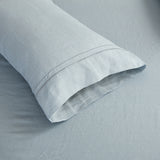
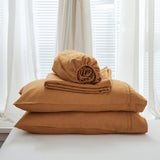
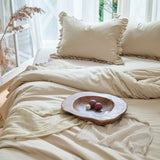
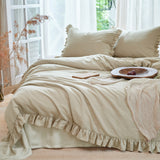
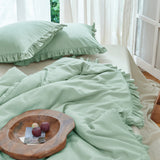
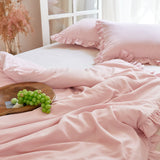
- Luxury Bedding & Pillowcases: Often branded as "eucalyptus silk"—favored by hot sleepers and people looking to protect hair and skin from friction while sleeping.
- Everyday Essentials: Underwear, bralettes, and loungewear that demand all-day breathability and next-to-skin softness.
- Athletic & Travel Wear: Odor-resistant t-shirts, workout tops, and moisture-managing base layers.
- Denim & Casual Chic: Blended with cotton or linen to make jeans softer, lighter, and drape better.
How to Care for Eucalyptus & TENCEL™ Fabrics
While durable, lyocell is a refined natural-origin fiber that thrives with gentle care:
- Wash Cool: Use cold or lukewarm water (max 30°C / 86°F) on a delicate or gentle cycle.
- Mild Detergent: Choose an eco-friendly, gentle liquid detergent. Avoid harsh chlorine bleach or fabric softeners (the fabric is naturally soft already).
- Air Dry Preferred: Hang to dry or lay flat out of direct, harsh sunlight. If using a dryer, tumble dry on the lowest heat setting to prevent shrinkage.
- Ironing: If needed, use a low-to-medium steam setting or iron inside-out while slightly damp.
The Bottom Line: Is Tencel™ Lyocell Worth It?
So, is a 100% Tencel Lyocell throw blanket worth the upgrade? For most people, yes.
If you sleep warm, have sensitive skin, or simply want a blanket that feels genuinely luxurious and keeps its looks through years of washing, Tencel™ is one of the few materials that delivers on all of those at once. It's a fabric that treats comfort and sustainability as the same project — and that's rare at any price.
Explore our collection of Tencel™ throws, and read our care guide and hot-sleeper guide next.


